
Blog
Pappedeckel The Eco-Friendly Cardboard Lid Changing Packaging and Culture

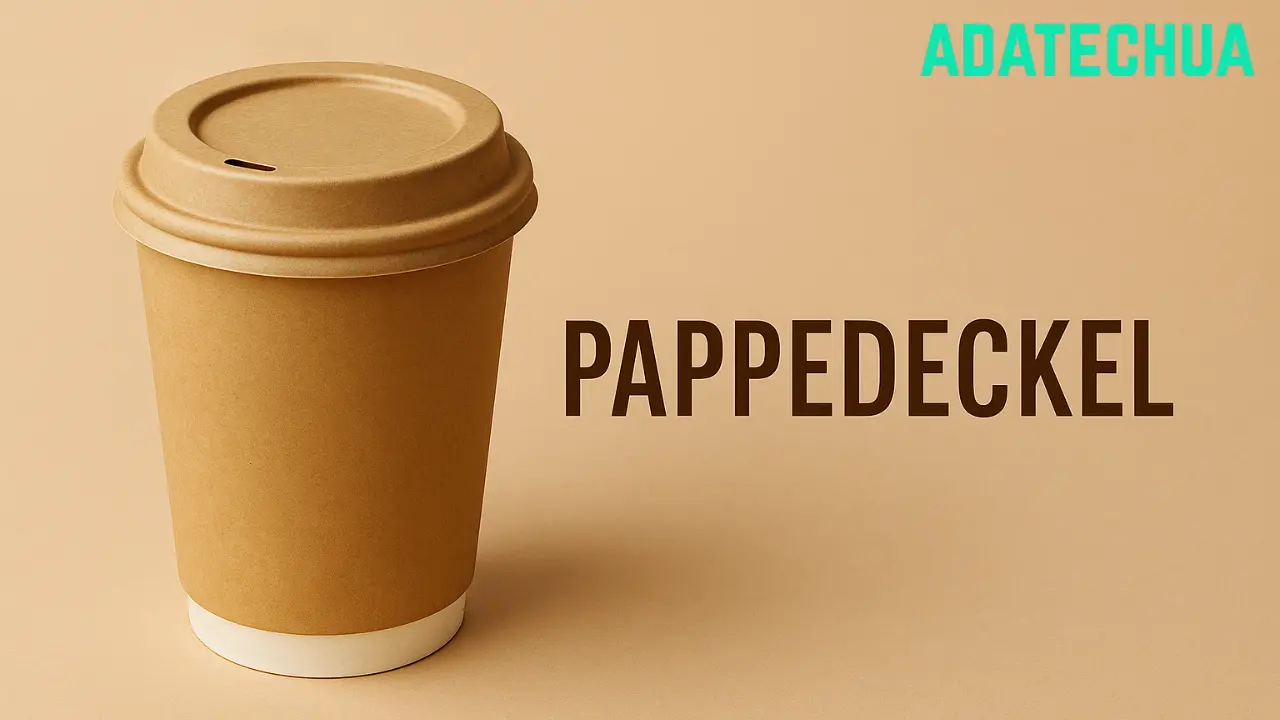
In recent years sustainability and eco-friendly solutions have become some of the most pressing topics across industries, especially within food, beverage, and hospitality. Among the many innovations developed to replace single-use plastics, the concept of the Pappedeckel has gained notable attention. This German word, literally translating to “cardboard lid,” represents far more than a simple cover for a cup or container. It embodies the cultural traditions of beer gardens, the growing environmental consciousness of modern societies, and the ongoing quest for affordable, versatile, and biodegradable packaging. Whether used as a protective lid for takeaway coffee, a simple cover for yogurt containers, or as a coaster in beer pubs, the pappedeckel has evolved into a symbol of practicality, heritage, and sustainability. Its history is deeply rooted in European traditions, while its modern relevance reflects a global shift toward eco-friendly practices. To truly understand its value, it is essential to explore its origins, material composition, uses, benefits, challenges, and future potential in shaping packaging innovations worldwide.
The History and Cultural Significance of Pappedeckel
The pappedeckel is not just a modern invention but part of a long tradition of cardboard and paper-based accessories that emerged in Europe in the late 19th and early 20th centuries. As industrialization progressed, paperboard became widely available, inexpensive, and practical for mass production. In German beer culture, related items such as the “Bierdeckel” (beer coaster) quickly became an integral part of pubs and beer gardens, protecting tables from condensation and serving as platforms for advertising local breweries. The pappedeckel itself played a dual role, functioning both as a lid to protect drinks from dust, insects, or spills and as a signal in social drinking culture placing a coaster or lid on top of a beer glass traditionally indicated to the waiter that no refill was desired. Beyond cultural traditions, the adoption of cardboard lids was fueled by the desire for disposable yet affordable solutions, replacing heavier or less hygienic materials like metal or wood. Over the decades, what started as a practical accessory gradually became a canvas for creativity, with businesses printing logos, slogans, and even collectible artwork on pappedeckel, embedding them deeply into both social rituals and marketing strategies.
Materials Design and Applications of Pappedeckel
The evolution of the pappedeckel is closely tied to its material composition and versatility in design. Made primarily from paperboard, recycled fibers, or cellulose pulp, these lids are lightweight, easy to manufacture, and customizable for countless uses. Some variations remain uncoated for maximum biodegradability, while others include plant-based coatings that provide improved resistance to moisture and grease without compromising compostability. The manufacturing process typically involves pulping and layering, pressing into sheets, die-cutting into desired shapes, and optionally coating or printing with eco-friendly inks. Designs can range from flat discs that serve as coasters or simple container covers to more complex folded lids that grip onto food or drink cups for spill protection. In the food and beverage sector, pappedeckel are widely used as coffee cup lids, soup covers, yogurt or ice cream tops, and catering solutions. In hospitality, they remain indispensable as coasters in bars and pubs, not only for protecting furniture but also as tools of communication and branding. Even outside of commercial use, many people repurpose these lids for do-it-yourself projects, crafts, or artistic creations. This adaptability has kept the pappedeckel relevant through changing times and demands, proving that a simple concept can have extraordinary applications.
Benefits Challenges and Global Relevance of Pappedeckel
The growing popularity of the pappedeckel is strongly connected to its environmental benefits. Unlike plastic lids, cardboard lids are biodegradable, recyclable, and have a significantly lower carbon footprint when produced responsibly. Their adoption directly supports efforts to reduce plastic waste, align with government bans on single-use plastics, and encourage circular economy practices. Additionally, they are cost-effective at scale, easy to transport, and provide valuable branding opportunities since every lid can function as a mini billboard. For businesses, this dual functionality of sustainability and marketing makes the pappedeckel particularly attractive. However, challenges remain. The durability of cardboard is naturally limited; without adequate coating, lids can weaken under moisture or high heat, and coatings that do provide resistance may sometimes hinder recyclability. Cost is another consideration, as some markets still find plastic cheaper due to existing infrastructure and subsidies. Furthermore, recycling systems vary worldwide, meaning that the effectiveness of pappedeckel in reducing waste depends partly on local facilities and consumer behavior. Despite these limitations, the global movement away from plastics is creating momentum for cardboard alternatives. Innovations such as biodegradable coatings, moisture-resistant fibers, and interactive lids with QR codes are paving the way for the next generation of pappedeckel, positioning them not just as an eco-friendly choice but as a smart, modern solution in a competitive market.
Conclusion The Future of Pappedeckel in a Sustainable World
The story of the Pappedeckel reflects how small innovations can carry cultural, environmental, and economic significance all at once. From its roots in German beer culture to its widespread application in global food packaging, the pappedeckel has proven itself as more than just a cardboard lid it is a cultural artifact, a practical tool, and a symbol of sustainable progress. By offering biodegradability, affordability, and branding opportunities, it presents a compelling alternative to plastic. While it faces challenges related to durability and recycling logistics, ongoing innovations are likely to overcome these hurdles, ensuring that pappedeckel continue to play a vital role in packaging and hospitality. As consumer awareness grows and regulations tighten, businesses that adopt such eco-friendly solutions can build stronger reputations and contribute meaningfully to environmental preservation. In the long run, the future of packaging is about balancing function, cost, and responsibility and the pappedeckel demonstrates that this balance is possible. Its journey from a simple coaster to an eco-icon highlights how everyday objects can inspire bigger change, reminding us that sometimes the smallest items have the largest impact.
FAQs about Pappedeckel
1. What is a pappedeckel?
A pappedeckel is a cardboard lid or cover commonly used in food, beverage, and hospitality settings. It can serve as a cup lid, yogurt or ice cream cover, or even as a coaster in beer culture.
2. Why is pappedeckel considered eco-friendly?
It is biodegradable, recyclable, and usually made from paperboard or recycled fibers, making it a sustainable alternative to single-use plastic lids.
3. Where is pappedeckel commonly used?
It is widely used in cafés, restaurants, catering services, and beer gardens. Applications range from takeaway cup lids to coasters and branded promotional items.
4. What are the limitations of pappedeckel?
Challenges include limited durability against moisture or heat, potential recycling difficulties if coated, and slightly higher costs in regions where plastics dominate.
5. How is the future of pappedeckel evolving?
With advances in biodegradable coatings, smart printing, and global regulations against plastic, the future of pappedeckel looks promising as an essential part of sustainable packaging trends.



Helping children develop confidence, discipline, and the ability to protect themselves is a priority for many parents. While academic success is important, learning practical life skills can be just as valuable. One activity that continues to grow in popularity is Krav Maga—a realistic self-defense system designed to prepare individuals for real-life situations. For children, Krav Maga offers far more than physical training. It promotes confidence, awareness, respect, and healthy habits that benefit them throughout life.
Parents looking for structured and engaging self-defense programs can explore Kids Krav Maga at SGS Krav Maga, where children of different ages learn practical self-defense skills in a safe, supportive, and encouraging environment. With experienced instructors and age-appropriate training, students develop valuable abilities while enjoying an active and rewarding experience.
What Is Krav Maga?
Krav Maga is a practical self-defense system originally developed for real-world situations. Unlike traditional martial arts that may focus on competition or forms, Krav Maga emphasizes simple, effective techniques that help individuals respond quickly under pressure.
For children, training focuses on:
- Personal safety
- Situational awareness
- Confidence building
- Physical fitness
- Respect and discipline
- Conflict avoidance
The goal is not to encourage fighting but to teach children how to stay safe and make smart decisions.
Building Confidence Through Training
Many children struggle with confidence, especially when facing new environments or social challenges. Krav Maga helps students build self-esteem by learning new skills and achieving personal goals.
As children progress through training, they often become more willing to:
- Speak confidently
- Handle challenges calmly
- Try new activities
- Work with others
- Believe in their own abilities
This confidence often extends beyond the training floor into school and everyday life.
Learning Practical Self-Defense Skills
One of the greatest benefits of Krav Maga is its focus on realistic self-defense.
Children learn how to:
- Recognize potentially dangerous situations
- Maintain awareness of their surroundings
- Escape from common grabs
- Use verbal assertiveness
- Seek help when necessary
- Avoid unnecessary conflict
These practical skills help children respond appropriately while prioritizing their safety.
Encouraging Physical Fitness
Regular physical activity plays an important role in children’s overall health.
Krav Maga training improves:
- Strength
- Coordination
- Balance
- Flexibility
- Endurance
- Agility
Unlike repetitive workouts, self-defense classes keep children engaged through dynamic exercises and interactive drills.
Teaching Discipline and Respect
Successful self-defense begins with discipline and self-control.
During training, students learn to:
- Listen carefully to instructors
- Follow directions
- Respect training partners
- Practice patience
- Stay focused
These habits often improve behavior at home, in school, and during other extracurricular activities.
Bullying Prevention Through Confidence
Children who appear confident are often less likely to become targets of bullying.
Krav Maga helps students:
- Stay calm under pressure
- Set personal boundaries
- Use confident body language
- Communicate assertively
- Avoid escalating conflicts
Rather than promoting aggression, instructors teach children that avoiding confrontation is usually the safest solution.
Safe and Structured Training Environment
Parents naturally want to know that their children are learning in a safe environment.
Professional Krav Maga schools prioritize:
- Qualified instructors
- Age-appropriate techniques
- Controlled practice
- Positive encouragement
- Student safety
- Respectful learning environments
These factors help children gain confidence while minimizing the risk of injury.
Advanced Training Equipment
Modern training centers often incorporate specialized equipment to improve performance and technique.
AtSGS Krav Maga, students benefit from professional instruction in a facility that includes the PowerKube Combat Performance Center, allowing training to become more interactive and measurable. Combined with practical self-defense scenarios and structured classes, this technology helps students develop technique, coordination, and confidence in a safe environment.
Benefits for Children of All Ages
Krav Maga can benefit children across different age groups by adapting lessons to each student’s abilities and developmental stage.
Parents often notice improvements in:
- Self-confidence
- Concentration
- Physical fitness
- Social interaction
- Problem-solving
- Emotional resilience
These life skills continue to support children as they grow into adolescence and adulthood.
Tips for Parents Choosing a Self-Defense Program
Before enrolling your child, consider the following:
- Visit the training facility.
- Observe a class if possible.
- Meet the instructors.
- Ask about safety procedures.
- Ensure classes are age appropriate.
- Choose a welcoming and supportive environment.
A positive learning atmosphere encourages children to enjoy training and remain motivated.
Why Families Choose SGS Krav Maga
Many families trust SGS Krav Maga because of its commitment to practical self-defense, student safety, and professional instruction. The center welcomes students of all ages and offers programs tailored to different experience levels, including women’s self-defense classes and children’s training. By focusing on realistic situations, physical fitness, and confidence building, SGS Krav Maga helps students develop skills that are valuable both inside and outside the training environment.
Conclusion
Krav Maga offers children much more than self-defense techniques. It helps build confidence, improve physical fitness, strengthen discipline, and develop valuable life skills that support personal growth and safety. Learning how to recognize potential risks, stay calm under pressure, and make smart decisions prepares children to navigate everyday challenges with greater confidence.
For parents seeking a practical and engaging self-defense program,Kids Krav Maga at SGS Krav Maga provides expert instruction in a safe and supportive environment. With experienced coaches, modern training facilities, and a strong focus on real-life skills, children can develop confidence, resilience, and lifelong habits that contribute to their overall well-being.
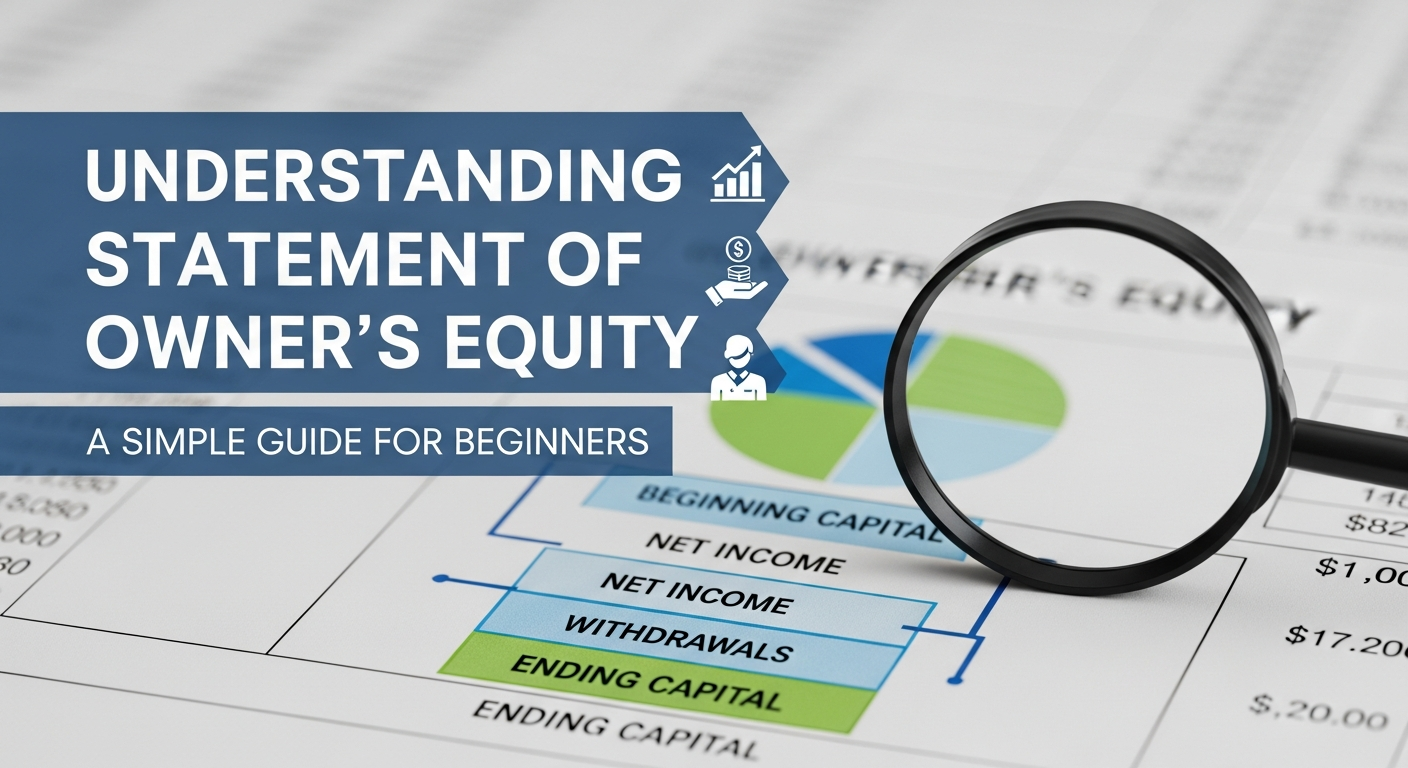
The statement of owner’s equity is a key financial report that shows how a business owner’s investment changes over time. It tells the story of the owner’s share in the company by listing money they put in, profits they keep, and money they take out. If you’re new to business or accounting, don’t worry! This guide will explain everything in easy words.
Knowing about the statement of owner’s equity helps business owners, investors, and managers see how well the company is doing. It also shows changes caused by profits, losses, and withdrawals. In this article, we’ll explain what this statement includes, why it’s important, and how to make one yourself.
What Is the Statement of Owner’s Equity?
The statement of owner’s equity is a financial report that shows how much money the owner has in the business. It tracks changes in the owner’s capital during a specific time. These changes happen when the business earns money (profit), loses money, or when the owner adds or withdraws money.
Think of it as a story of your business ownership. It starts with the owner’s capital at the beginning of the year, then adds profits and investments, subtracts losses and withdrawals, and ends with the new capital amount.
Why Is the Statement of Owner’s Equity Important?
This statement helps business owners understand their share in the business. It gives a clear picture of how much the owner has put in, earned, or taken out. For investors and lenders, it shows how strong the owner’s financial position is.
Without it, you might not know if your business is growing or shrinking from your personal investment view. It also helps when filing taxes or preparing other financial reports like the balance sheet.
Key Components of the Statement of Owner’s Equity
The statement usually includes these parts:
- Beginning Owner’s Equity: The money the owner had at the start.
- Owner Contributions: Money added by the owner.
- Net Income or Loss: Profit or loss made by the business.
- Owner Withdrawals: Money taken out by the owner.
- Ending Owner’s Equity: The total money the owner has after all changes.
How to Prepare a Statement of Owner’s Equity
To prepare this statement, follow these steps:
- Start with the owner’s equity from the last period.
- Add any new investments by the owner.
- Add net income (or subtract net loss) for the current period.
- Subtract any withdrawals made by the owner.
- Calculate the ending owner’s equity.
This process is simple but very useful for tracking your business health.
Example of Statement of Owner’s Equity
Imagine you started the year with $10,000 in your business. You added $2,000 more during the year. The business earned $5,000 profit, and you took out $1,000 for personal use. Your ending owner’s equity will be:
$10,000 + $2,000 + $5,000 – $1,000 = $16,000
This means your ownership in the business grew to $16,000 by year-end.
Difference Between Owner’s Equity and Shareholder’s Equity
Owner’s equity is used for small businesses or sole proprietorships. Shareholder’s equity applies to corporations with many shareholders. Both show ownership but differ in structure and terminology.
How Statement of Owner’s Equity Relates to Other Financial Statements
This statement connects with:
- Balance Sheet: Shows owner’s equity as one part of business assets and liabilities.
- Income Statement: Shows net income or loss, which affects owner’s equity.
- Cash Flow Statement: Shows money coming in or out that can affect owner’s withdrawals or contributions.
Together, they give a full view of a company’s financial health.
Common Mistakes to Avoid in Owner’s Equity Statement
- Forgetting to include owner withdrawals or contributions.
- Mixing personal and business expenses.
- Not updating the statement regularly.
- Ignoring net losses which reduce owner’s equity.
Correctly maintaining this statement keeps your business finances clear and trustworthy.
How the Statement of Owner’s Equity Helps in Decision Making
By understanding your equity, you can decide when to invest more money or when to take money out. It also helps plan business growth, prepare taxes, and attract investors.
Digital Tools to Simplify the Statement of Owner’s Equity
Many accounting software programs automatically create this statement, saving time and reducing errors. Examples include QuickBooks, Xero, and FreshBooks. Using these tools helps keep your financial data accurate and updated.
Frequently Asked Questions (FAQs)
Q1: How often should I prepare a statement of owner’s equity?
A: Ideally, prepare it every month or quarter to keep track of changes.
Q2: Can the owner’s equity be negative?
A: Yes, if losses and withdrawals are more than investments and profits.
Q3: Is owner’s equity the same as business value?
A: Not exactly. It shows owner’s share, but business value includes other factors.
Q4: Does the statement include debts?
A: No, debts are shown on the balance sheet, not in owner’s equity.
Q5: How does owner’s equity affect taxes?
A: It helps show profits and withdrawals that can influence your tax returns.
Q6: Can multiple owners have a statement of equity?
A: Yes, in partnerships, each owner has their own equity statement.
Conclusion: Why Understanding Statement of Owner’s Equity Matters
Knowing your statement of owner’s equity helps you keep your business finances clear and under control. It shows how your investments grow or shrink and helps you make smarter financial decisions. Whether you run a small shop or a big business, keeping this statement updated builds trust with banks, investors, and yourself.
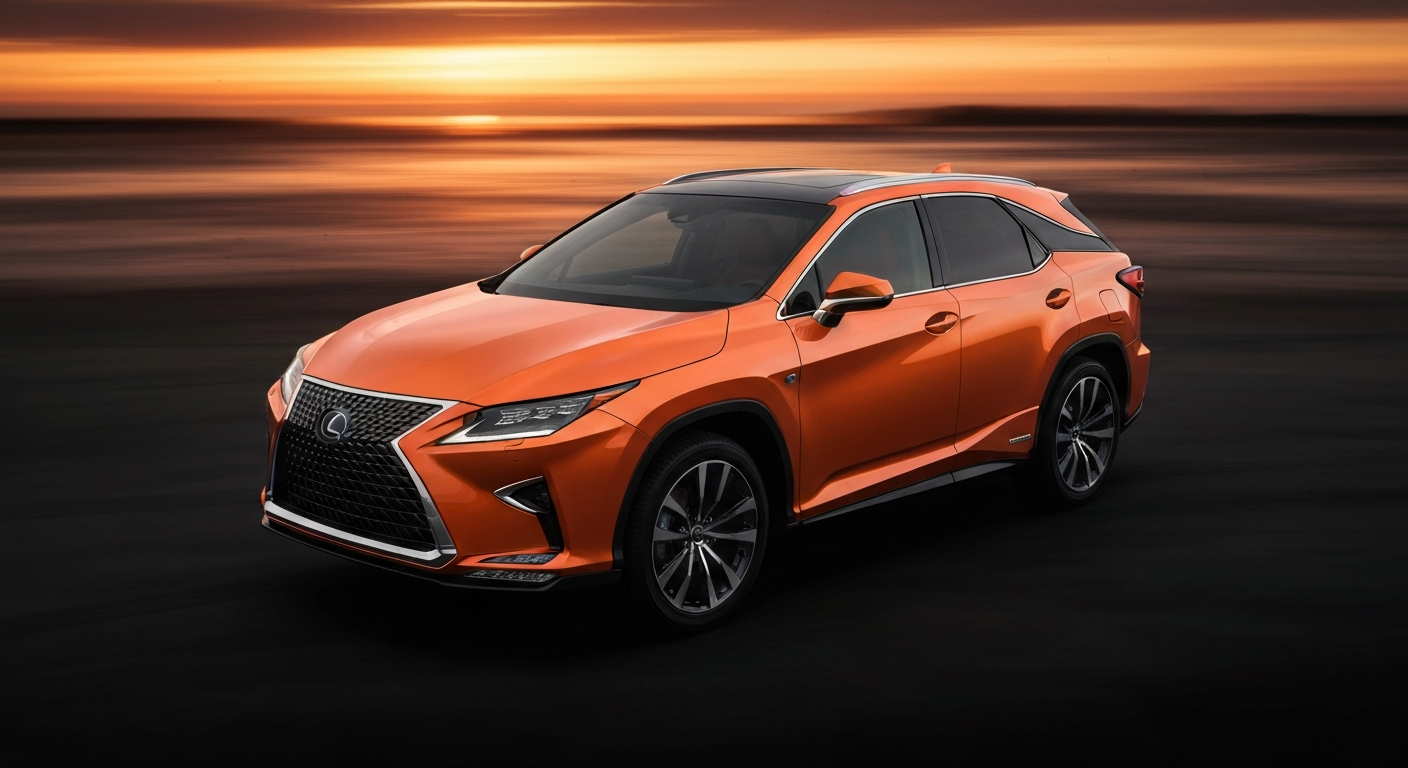
Lexus is a well-known name in the world of cars. It is famous for making luxury cars that are stylish, reliable, and full of smart features. Many people choose Lexus because these cars are comfortable and safe. Whether you want a sleek sedan or a strong SUV, Lexus has something for everyone.
In this article, you will learn about Lexus’s history, popular car models, and why it is special. We will also explore its advanced technology and how Lexus cares for the environment. If you love cars or want to buy a new one, this guide is for you!
What Is Lexus?
Lexus is the luxury car brand of Toyota. It started in 1989 to offer cars that feel special and are made with great care. Lexus cars are known for being very quiet, comfortable, and packed with technology that helps drivers stay safe.
The name “Lexus” is often linked to luxury and quality. People trust Lexus because these cars last a long time and need less repair. The brand also uses new technology to help protect the planet.
The History of Lexus
Lexus began in Japan but quickly became popular worldwide. Toyota wanted to create a brand that could compete with famous luxury car makers like BMW and Mercedes-Benz. In the early 1990s, Lexus launched the LS 400, which impressed many with its smooth engine and quiet ride.
Since then, Lexus has grown a lot. The brand has added many new models and focused on making cars with hybrid engines, which use less fuel. Lexus is now one of the top luxury car brands around the world.
Popular Lexus Models You Should Know
Lexus offers many cars, but some models are especially popular:
- Lexus RX: A luxury SUV that is perfect for families. It has lots of space and smart safety features.
- Lexus ES: A comfortable sedan with a smooth ride, great for daily driving.
- Lexus NX: A smaller SUV with modern design and hybrid options.
- Lexus LS: The flagship luxury sedan with top technology and style.
Each model is designed to give drivers a great experience whether they are driving in the city or on the highway.
Lexus Technology and Innovation
One big reason people like Lexus is because of its technology. Lexus cars have features like:
- Lexus Safety System+: This helps prevent accidents with smart sensors and cameras.
- Hybrid engines: These save fuel and reduce pollution.
- Touchscreen displays: Easy to use and control music, maps, and phone calls.
- Luxury interiors: Soft seats and quiet cabins make driving more enjoyable.
Lexus always tries to add the newest technology to keep drivers safe and happy.
Why Choose Lexus Over Other Luxury Cars?
Many people pick Lexus because of its great balance between price, quality, and comfort. Lexus cars usually cost less than some European luxury brands but still offer great features.
Lexus is also known for its excellent customer service and reliable cars. Owners often say their Lexus feels like new even after many years. Plus, with hybrid options, Lexus is a smart choice for those who want to help the environment.
Lexus and Environmental Care
Lexus has made big steps to help the planet. The brand offers many hybrid models that use less gas and emit less pollution. This helps reduce the car’s impact on the environment.
The company also works on making car parts that are easier to recycle. Lexus wants to be a leader in making cleaner and greener cars for the future.
How Lexus Ensures Safety for Everyone
Safety is very important for Lexus. Their cars come with many features to protect drivers and passengers. These include:
- Automatic emergency braking
- Lane departure warning
- Adaptive cruise control
- Blind spot monitoring
These tools help drivers avoid accidents and feel safer on the road.
The Lexus Driving Experience
Driving a Lexus is smooth and quiet. The cars are made to feel comfortable with soft seats and a quiet engine. Many owners say driving a Lexus feels calm and relaxing.
The steering is easy to control, and the ride is smooth even on bumpy roads. Whether you drive a small Lexus or a big SUV, the experience is always top quality.
Lexus Around the World
Lexus sells cars in many countries. It is very popular in the United States, Japan, and parts of Europe. The brand adapts its cars to meet local needs but keeps the same high quality everywhere.
Lexus also has special service centers worldwide to help owners keep their cars in good shape.
Lexus’s Future: What to Expect
Lexus is working hard to make electric cars. In the future, more Lexus models will run on electricity to reduce pollution even more. The brand will also keep improving safety and comfort.
With a strong focus on innovation, Lexus aims to stay a top luxury car brand for many years to come.
Frequently Asked Questions (FAQs)
1. What makes Lexus different from other luxury cars?
Lexus is known for its reliability, smooth ride, and great customer service. It also offers hybrid options that save fuel.
2. Are Lexus cars expensive to maintain?
No, Lexus cars are generally less expensive to maintain than many other luxury brands.
3. Does Lexus have electric cars?
Lexus currently focuses on hybrids but is developing fully electric cars for the future.
4. What is the best Lexus model for families?
The Lexus RX is popular for families because of its space and safety features.
5. Is Lexus a Japanese brand?
Yes, Lexus is the luxury brand of Toyota, a Japanese company.
6. How safe are Lexus cars?
Lexus cars come with many advanced safety features, making them very safe to drive.
Conclusion
Lexus is a great choice if you want a car that feels special, lasts a long time, and uses smart technology. Whether you want a luxury SUV or a smooth sedan, Lexus has options that can fit your needs.
Choosing Lexus means you get style, safety, and comfort all in one package. If you want to learn more or take a test drive, visit your local Lexus dealer today!
-

 Entertainment11 months ago
هنتاوي.com The Arabic Anime and Manga Platform Shaping Entertainment for a New Generation
-

 Home Improvement12 months ago
Pyntekvister The Scandinavian Art of Decorating with Nature
-

 Technology12 months ago
Troozer com A Complete Informational Guide to Understanding the Buzz Features and Safety Concerns
-

 Technology12 months ago
Assimilasjon En Dypdykk i Kultur Identitet og Samfunn
-
 Blog12 months ago
Sodiceram Complete Guide to Meaning Properties Applications and Real World Value
-

 Health & Fitness11 months ago
Prostavive Colibrim A Complete Guide to Prostate Health and Wellness
-

 Travel12 months ago
Delta Flight DL275 Diverted LAX A Detailed Look at the Incident and Its Broader Meaning
-

 Technology12 months ago
Seekde Transforming the Way We Discover and Connect Knowledge